









www.twotwoart.com – The world premiere of a new music video album turned Ithaca’s Cinemapolis into something closer to a portal than a movie theater. When professor and composer John Scott unveiled “Modern Fables for Complicated Times” in Theater Four, the room quickly filled with curiosity, expectation, and that rare sense you might be seeing a new format being born right in front of you.
Instead of a single narrative film or a conventional concert, Scott offered a full music video universe: an album translated into interconnected visual stories. Screen by screen, song by song, the project asked viewers to consider how sound, image, and story can merge into one immersive experience that feels both cinematic and deeply musical.
A Music Video Album Premieres in the Dark
Most audiences know the music video as a three-minute sketch on YouTube, meant to hype a single and then vanish into the algorithm. Scott’s project moves in a different direction. “Modern Fables for Complicated Times” functions as a complete music video album, a sequence of visual chapters that echo, contradict, and illuminate each other. Instead of background content, the visuals become the core text, with the music guiding emotional logic from one piece to the next.
The premiere at Cinemapolis mattered for that reason. Watching at home, a music video often becomes wallpaper while you scroll or multitask. Inside a theater, however, the same format commands full attention. When the lights dropped in Theater Four, the audience gave the music video album the kind of listening usually reserved for art films or live chamber concerts. This shift in setting transformed what could have been ordinary clips into a coherent, shared experience.
The result felt halfway between a film festival block and a concept album performance. Each music video held its own mood, yet the larger arc invited us to search for patterns: recurring images, evolving motifs, subtle narrative threads. Instead of treating the songs as isolated singles, the premiere encouraged everyone to hear them as chapters in a broader story about anxiety, wonder, and resilience in an unsettled era.
Modern Fables for Complicated Times
The title “Modern Fables for Complicated Times” signals the project’s intent. Traditional fables distill moral lessons into compact tales with clear symbols. Scott’s music video album borrows that structure but refuses easy morals. Figures drift through surreal landscapes, technology flickers like a blessing and a curse, and characters seem to grapple with questions more than answers. The visuals pair with harmonies that shift between comfort and unease, mirroring the tension of living through unstable years.
From my perspective, the most striking aspect lies in how the music video format reshapes those fables. Instead of a narrator telling us what to think, visual details whisper possibilities. A small gesture, a change of color, a fleeting cut between scenes can feel as weighty as a spoken line. Scott trusts viewers to assemble their own meanings. That faith in the audience feels increasingly rare in a culture that often spells out every theme.
These fables operate on multiple levels. On the surface, each music video offers a mood: dreamlike, anxious, ecstatic, or quietly hopeful. Beneath that, the songs suggest a deeper commentary on how we navigate overload, isolation, and fractured attention. The project does not preach solutions. It stages emotional situations, then invites viewers to inhabit them for a few minutes, to notice their own reactions, and to decide what kind of story they want to live outside the theater.
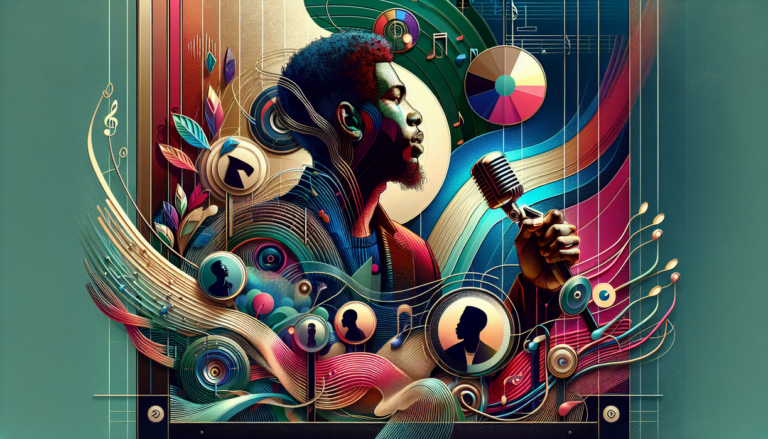
What impressed me most is the way Scott uses the music video structure to test visual risk. In a single feature film, one bold aesthetic misstep might derail the entire work. A music video album, however, thrives on experimentation across segments. One chapter might float in soft, painterly hues; the next may cut sharply between stark light and shadow. A later sequence could lean into near-abstract motion, where silhouettes and textures carry more weight than literal plot. This modular design gives Scott latitude to try variations without breaking continuity.
Sound plays an equally experimental role. Instead of treating songs as mere background for the visual spectacle, the compositions direct emotional pacing. Rhythms alter the perceived speed of edits, while harmonic shifts color silent glances or landscape shots with unexpected meaning. I found that some of the most memorable moments arrived when visuals paused but the music continued to evolve, reminding the audience that the core narrative still runs through melody and texture.
If this premiere signals how artists may approach albums in the future, we could see more musicians conceiving projects directly as long-form visual experiences. Not just playlists with optional clips, but integrated music video cycles designed for collective viewing. Scott’s work suggests that such albums might reach audiences beyond typical fans of experimental cinema or contemporary classical music. They could appeal to anyone drawn to story, image, and sound woven together with ambition.
Why This Music Video Experiment Matters
Scott’s premiere demonstrates that the music video can be more than a marketing tool; it can function as a primary art form with its own pacing, structure, and emotional depth. Watching this album unfold in a community theater underscored how hungry people are for new ways to engage with music, especially when the digital world often encourages passive, distracted listening. By turning an album into a fully realized visual cycle, Scott not only pushes artistic boundaries but also challenges us to rethink how we encounter sound and story. Leaving Cinemapolis, I felt reminded that genuine innovation rarely arrives with fireworks; it often appears as a room full of people sitting quietly together in the dark, ready to listen and to look more closely at the world.