







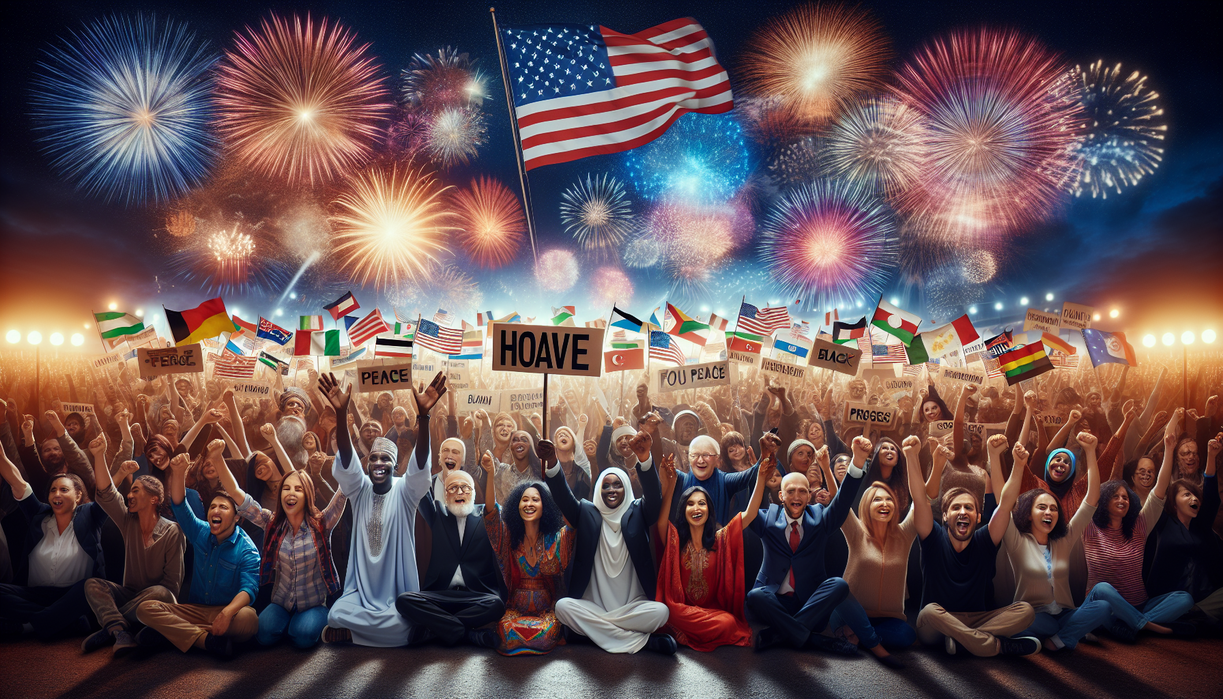
www.twotwoart.com – Across countless time zones, the national calendar turned to 2026 to the thunder of drums, fireworks, and voices. From city squares to small-town streets, crowds poured out, eager to reclaim public spaces after years marked by crisis, uncertainty, and division. The collective mood felt complicated yet powerful, a blend of raw defiance against fear and a cautious hope for something better. This year’s national celebrations spoke less about glittering stages and more about shared resilience, especially among people who refused to stay home, to stay silent, or to let anxiety define their future.
Instead of polished spectacles alone, many national gatherings highlighted local drummers, neighborhood choirs, and grassroots organizers. Their presence shifted the energy from passive entertainment to active participation. Beats echoed off glass towers and concrete plazas, turning every downbeat into a statement: we are still here, still together, still trying. As midnight arrived in each region, the sound of drums merged with cheers, prayers, and chants, signaling not just a new year on paper, but a renewed pledge to face reality without surrender.
Drums as the Pulse of a National Reset
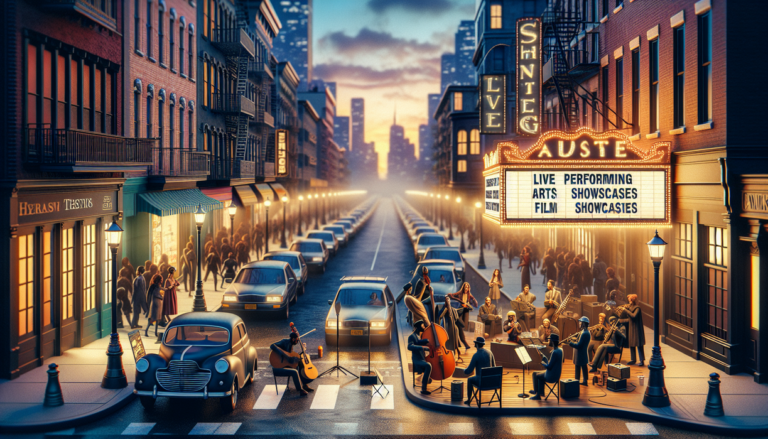
Drums dominated this national new year, not only as musical instruments but also as symbols of a collective heartbeat. In capital cities, organized drum lines marched down wide avenues, drawing people out of side streets and subway exits. Smaller communities saw kids with borrowed snares or makeshift buckets, keeping time beside modest bonfires. The rhythm linked strangers, cutting through language barriers and personal histories. Every synchronized strike on stretched skin or steel reasserted the same simple truth: a nation still breathes together when it chooses to move to a common pulse.
That shared pulse hinted at protest as much as party. In several national hubs, drum circles formed near government buildings rather than tourist landmarks. Participants wore messages on jackets, banners, and homemade signs, connecting celebration to calls for justice, climate action, and economic fairness. Noise ordinances relaxed for the night, so public squares became loud forums where joy met outrage. The drums did not drown out tension; instead, they framed it, turning anger into cadence, frustration into choreography. It felt less like escape, more like rehearsal for the civic work ahead.
Personally, I see these drums as a response to years of forced stillness. Lockdowns, curfews, and restrictions trained people to mute themselves, to shrink their physical footprint. The national new year reversed that impulse. With each rolling rhythm, communities reclaimed sidewalks, bridges, and waterfronts. Movement replaced isolation. Volume replaced whispering. Rather than ignoring recent pain, the drumming acknowledged it, then invited everyone to step forward together. That act alone carries more meaning than any scripted countdown because it shows a population choosing sound over silence, momentum over paralysis.
A National Mood Between Bold Defiance and Rising Hope
The atmosphere across national celebrations felt layered, almost contradictory. On one side, there was bold defiance, visible on faces that have seen too much disruption to pretend life is simple again. People carried memories of lost relatives, unstable jobs, political turmoil. Instead of pushing those memories aside for a single glittery evening, many folded them directly into the night. They danced with tears still visible, shouted with hoarse voices shaped by long arguments, then looked around to see others doing the same. Defiance here did not mean denial; it meant refusing to be crushed.
On the other side lay a rising sense of hope, quieter yet persistent. It showed up in small gestures: someone offering a stranger a scarf in cold wind, families sharing homemade food at public tables, volunteers passing out earplugs to children near loud speakers. These tiny acts produced a subtle national narrative about care. Hope did not appear as blind optimism or slick slogans. It lived in simple choices: to show up, to look out for one another, to keep expectations modest yet meaningful. After years of hype falling flat, people seemed to prefer grounded hope to grand promises.
From my perspective, this tension between defiance and hope may be exactly what a national community needs. Blind rage burns out fast; naive cheerfulness collapses under pressure. The combination of both mindsets, however, creates a dynamic balance. Defiance ensures we confront injustice, incompetence, and corruption rather than accept them as fate. Hope ensures we keep imagining alternatives instead of sliding into permanent cynicism. This year’s national new year felt like a moment where both forces shared the same stage, sometimes clashing, sometimes harmonizing, yet ultimately challenging one another to keep evolving.
Where the National Story Goes from Here
As the last fireworks faded and drums fell silent, questions remained about the national path forward. Will the energy from these gatherings carry into local meetings, elections, and classrooms, or will it evaporate with the confetti? The answer depends less on officials and more on ordinary citizens who filled the streets. If even a fraction of the courage shown on this night continues into daily routines, the impact could be profound. My hope is that when future historians describe this national turning point, they will not dwell only on anxiety. Instead, they will see a society that refused to bow to fear, chose shared rhythm over isolation, then used that momentum to build a more thoughtful, humane future.