






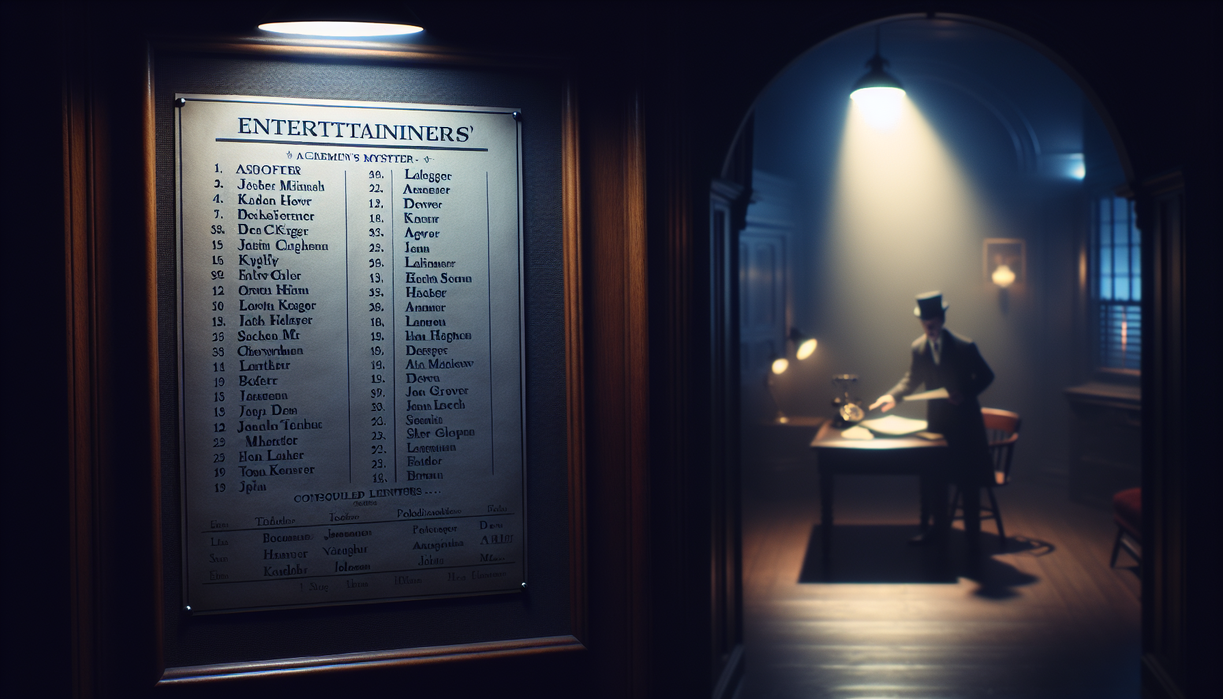
www.twotwoart.com – Entertainment culture loves the idea of a forbidden door. Nothing sparks curiosity faster than a list of people who supposedly will never be welcomed onto a famous couch. The latest drama surrounding The Tonight Show Starring Jimmy Fallon brings that fantasy closer to reality, as rumors swirl about a secret roster of banned guests tied to political tension, most notably former president Donald Trump.
For a program once viewed as the friendly center of late-night entertainment, this moment feels like a turning point. Accusations of a toxic work culture, combined with backlash over prior soft interviews with Trump, now collide with whisper campaigns about who no longer receives an invitation. The result raises bigger questions about who controls visibility in mainstream entertainment, and what values shape those decisions.
The Tonight Show, controversy, and control
The Tonight Show has long served as a gatekeeper for mass entertainment. Landing a segment on that stage can boost careers, smooth public relations, or rebrand a controversial figure. Yet every gatekeeper also chooses who waits outside. Allegations of a banned guest list bring that power dynamic into sharp focus, especially when politics and public outrage intersect with booking decisions.
Trump’s complicated relationship with late-night entertainment crystallizes this tension. His early appearances portrayed him as a quirky New York mogul, more celebrity than statesman. That image shifted as his campaign escalated. Fallon’s famously lighthearted hair-tousling moment drew harsh criticism because it appeared to soften a deeply polarizing candidate, turning serious political stakes into casual entertainment.
Now, rumors describing Trump as persona non grata on the show highlight how much has changed. For critics, that shift looks like overdue accountability. For supporters, it resembles censorship dressed up as taste. Late-night entertainment becomes a battleground, where every invitation—or exclusion—seems like a political statement rather than just a booking choice.
Is a banned guest list censorship or curation?
Any major entertainment platform must curate, or chaos follows. Time slots remain limited, attention spans even more so. Shows routinely pass on guests who feel off-brand, irrelevant, or too risky. A private do-not-book list sounds dramatic, yet some version of it probably exists everywhere from talk shows to comedy clubs. The difference here lies in how that list reflects deeper anxieties about politics, morality, and audience expectations.
When a figure like Trump allegedly ends up on a blacklist, the line between editorial judgment and ideological filtering turns blurry. Is the show protecting viewers from harmful rhetoric, or protecting its own reputation from backlash? My view: late-night entertainment has the right to exercise discretion, but it should be honest about the values guiding those choices. Secret rules fuel conspiracy theories and erode trust faster than any single guest ever could.
There is also a structural issue. Late-night franchises still benefit from an aura of neutrality, as if they simply host whoever dominates the cultural conversation. Reality looks different. Every booking involves negotiations, image management, and quiet calculations about ratings versus risk. Treating a banned list as shocking almost ignores how entertainment power actually operates behind the scenes.
Entertainment ethics in a polarized era
The Tonight Show drama exposes a deeper dilemma for modern entertainment: can a platform remain playful while acknowledging moral stakes? Personally, I believe complete neutrality has become a myth. Audiences read every joke, cutaway, and invitation as a value signal. Rather than pretend otherwise, late-night producers should embrace clearer standards, communicate them openly, and accept that some viewers will disagree. A more transparent approach to guest selection would not eliminate controversy, but it could restore a measure of integrity. Entertainment will always entice us with forbidden doors and rumored blacklists. The real test lies in whether the people holding those keys are willing to explain why some doors stay shut. That kind of honesty might be the most radical act on television today.