






www.twotwoart.com – My opinion about the Kennedy Center changed the moment I saw Donald Trump’s name tied to its marquee event coverage. For years, I regarded that gleaming building by the Potomac as sacred space, almost a cathedral for the arts, where arguments about policy and power paused at the doors. The stage belonged to conductors, actors, dancers, not presidents. Yet a new era has blurred that boundary. The arts world cannot escape partisan gravity. My opinion now struggles to reconcile admiration for the performances with discomfort over political branding clinging to a cultural sanctuary.
This opinion shift did not happen in a single evening. It grew slowly, as politics seeped into award shows, acceptance speeches, donor lists, social feeds, then headlines about who funds what. The Kennedy Center once felt distant from talk-show brawls and campaign rallies. Now commentators frame even a performance of Handel’s “Messiah” through the lens of Trump associations, donor politics, and cultural combat. My opinion has moved from quiet nostalgia toward uneasy realism. The question for anyone who cares about art becomes unavoidable: can a venue remain neutral when its name lives inside a permanent political storm?
Opinion Meets the Concert Hall
My opinion before this era drew a clear line between art spaces and the churn of Washington power. Stepping into the Kennedy Center lobby felt like exiting cable news for a few hours. Suits still appeared, yet conversations faded toward staging, lighting, interpretation. Political figures sometimes attended, but they blended into the audience. Today, my opinion feels out of date. The building has not changed shape, though the context around it transformed. Headlines, protests, social posts, even program notes sometimes carry ideological undercurrents, so the performance now shares mental space with the latest outrage cycle.
Reflecting on my own opinion, I recognize how modern culture encourages constant judgment. Every institution receives a label: conservative, progressive, woke, nationalist. Very few escape. When donors, naming rights, board appointments, presidential appearances, or honorees intersect with a polarizing figure like Trump, the classification race accelerates. The Kennedy Center suddenly becomes, in the eyes of some, a proxy battlefield. My opinion understands the frustration. People fear that once-neutral venues now help legitimize leaders or narratives they oppose. Yet a second part of my opinion resists shrinking every hall or gallery into a campaign sign.
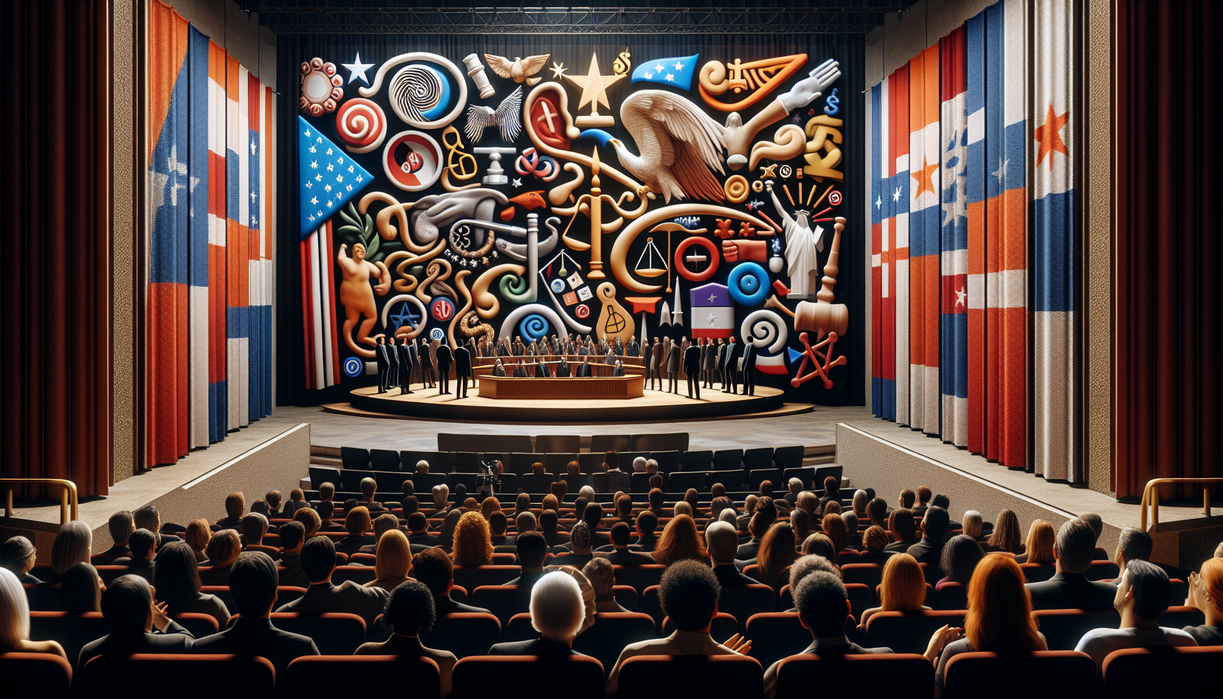
The tension comes into clear focus during something like a “Messiah” performance. The music carries centuries of spiritual, cultural, emotional weight. It transcends election seasons. My opinion wants the soaring tenor aria to erase partisan echoes, at least until the final chorus fades. Still, awareness of political branding persists. The donor plaques, gala photos, presidential boxes, and televised specials tell a parallel story about power and prestige. My opinion now notices that quiet second performance, always running behind the score: a tale of money, optics, alliances. Art still lifts the soul, yet the room holds a louder awareness of who sponsors the spotlight.
How Names, Money, and Memory Shape Opinion
Names on buildings strongly influence public opinion. Attach Lincoln or Kennedy to a venue, and the association feels noble, historical, almost mythic. Attach Trump, and the reaction fractures. Supporters view it as overdue recognition. Critics see it as contamination of a civic space. My opinion considers this double effect both revealing and troubling. A country so divided cannot even share a consistent story about whose name deserves granite. The Kennedy Center, by design, honored a president already enshrined as cultural symbol. Current fights over Trump-related visibility expose how unstable that symbolic consensus has become.
Money intensifies these opinion battles. Cultural institutions require substantial funding: orchestras, costumes, staff, lights, repairs, community programs. Major donors expect visibility or influence. My opinion acknowledges reality: without philanthropy, many stages go dark. Yet the source of money stains or elevates reputation in the public imagination. A wing funded by a fossil fuel fortune, a gala attended by political operatives, a performance underwritten by a controversial administration—all these details color opinion about the institution’s soul. The Kennedy Center exists inside that ecosystem, constantly negotiating between artistic independence and financial survival.
Memory then locks those impressions into place. Once someone decides the Kennedy Center now feels like a “Trump-branded” space, later events must fight that established opinion. A future concert with no political content cannot easily erase past debates. My opinion often works the same way. First impressions harden into narratives. A single administration’s link to funding or programming turns into a long shadow over a building meant to outlive every presidency. This creates a quiet tragedy. Architecture designed to celebrate enduring human creativity becomes trapped under short-term political storylines, preserved by stubborn public opinion.
Can Opinion Make Room for Quiet?
My opinion, after turning this over many times, circles back to a simple desire: room for quiet. Not escapism, just a pause. The Kennedy Center can never exist entirely outside politics, nor should it. Public funding, national honors, historic names all involve civic choices. Yet opinion need not chase every spotlight into the concert hall. When the chorus rises, perhaps we let the music claim the foreground, while our political judgments step a little farther back. My opinion no longer pretends the arts live untouched by power, but it still hopes for evenings where sound, story, and shared attention feel more important than any name carved into stone.