





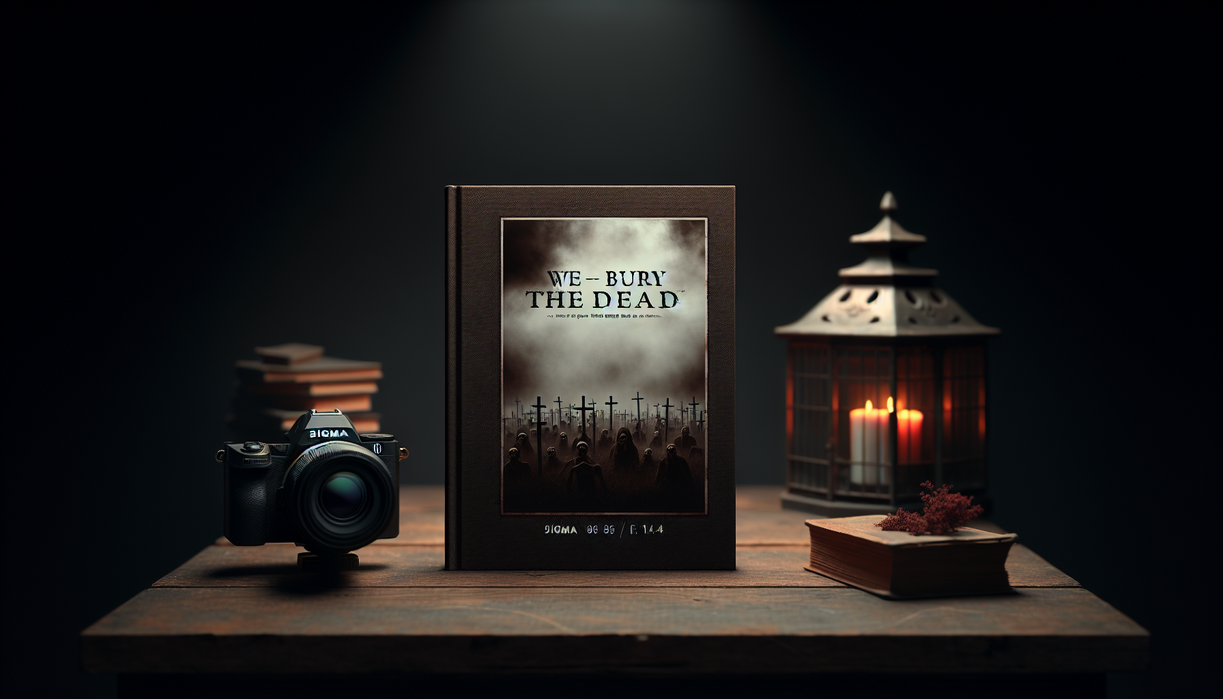
www.twotwoart.com – Zombie stories usually promise wild entertainment, pulsing with dread, gore, and uneasy laughter. “We Bury the Dead” steps into that crowded graveyard, armed with a chilling premise about soldiers returning from a disastrous mission, only to rise again as relentless predators. On paper, it sounds like a late‑night cult hit waiting to happen. On screen, though, the pulse often flickers instead of surging, leaving viewers with an experience that teases bold ideas yet rarely follows through.
Fronted by Daisy Ridley, this horror drama tries to balance psychological tension, military trauma, and undead mayhem. It aims for meaningful entertainment rather than disposable thrills, favoring mood over splatter. However, slow pacing, thin character work, and erratic tonal shifts undercut much of the film’s ambition. The result resembles a body on the slab: hints of movement, faint tremors of life, but not enough to rise fully from the table.
From Bold Concept to Uneven Entertainment
The central hook deserves credit: a catastrophic operation leaves soldiers dead, then they mysteriously return, driven by something darker than hunger. This twist allows the film to explore duty, grief, and guilt through a horror lens. As entertainment, though, the execution feels hesitant. What could have played like a nerve‑shredding siege story instead drifts between half‑developed subplots. Tension leaks away whenever the script pauses for vague exposition instead of escalating danger or deepening relationships.
Daisy Ridley brings intensity to a role anchored in survivor’s remorse and unresolved ties to the fallen. Her performance supplies emotional weight even when the screenplay refuses to do her many favors. Moments where she confronts the resurrected soldiers hint at a richer film, one where entertainment springs from raw emotion as much as jump scares. Sadly, those scenes arrive sporadically, surrounded by stretches of meandering dialogue that never quite earns its somber tone.
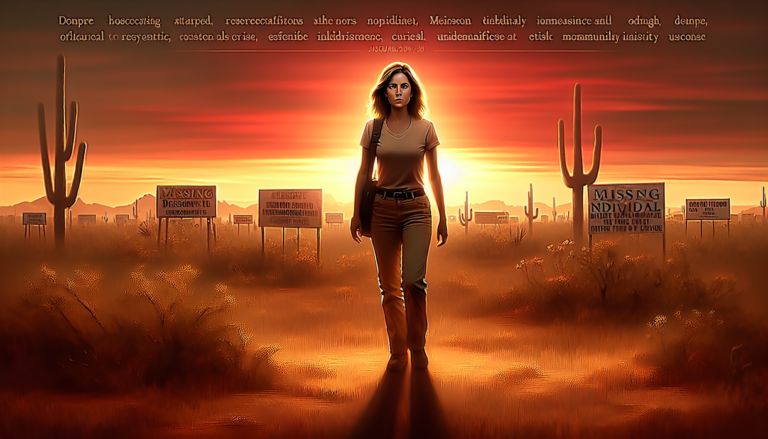
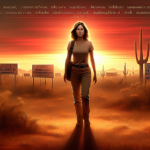
Visually, “We Bury the Dead” delivers solid atmospheric entertainment. Bleak landscapes, dim corridors, and harsh military lighting contribute to an oppressive mood. The undead look grimy and unsettling rather than cartoonish, which supports the grounded approach. Yet strong imagery alone cannot compensate for structural issues. For every striking composition, there is a sluggish sequence that saps urgency. A sharper edit could have transformed moody fragments into something far more gripping.
Horror, Trauma, and the Search for Deeper Entertainment
Many modern horror projects chase prestige by layering genre thrills over serious themes. “We Bury the Dead” clearly aspires to that hybrid form of entertainment, focusing on psychological scars more than body counts. The resurrected soldiers symbolize unresolved conflict, a literal return of buried sins. This metaphor holds promise, yet the film rarely pushes it to a bold conclusion. Instead, it flirts with ideas about military responsibility, political cover‑ups, and moral compromise, then backs away before anything cuts too deep.
From a personal perspective, the most compelling entertainment here emerges whenever the film slows down for quiet standoffs between the living and the once‑dead. Those scenes border on tragic drama rather than straightforward horror. Ridley’s character confronts former comrades who might retain fragments of memory or humanity. The line between enemy and victim blurs. If the story had trusted these interactions, prioritizing emotional horror over routine chases, the result could have felt far more distinctive.
Instead, an uneven reliance on familiar zombie beats dulls the edge. Confrontations in confined spaces, frantic retreats, sudden bites—these moments feel assembled from other, stronger entries in the genre. They still offer surface-level entertainment, yet rarely surprise. Given the premise, viewers deserve something stranger, perhaps more psychologically risky. The film hints at experiments, hidden agendas, and spiritual questions about what lingers after death. However, it never fully commits, leaving a lingering sense of missed opportunity.
Where This Zombie Tale Fits in Modern Entertainment
Placed beside recent horror releases, “We Bury the Dead” lands somewhere between art‑house aspiration and late‑night streaming filler. It will likely find a modest audience drawn by Ridley’s star power and the promise of bleak entertainment. Fans of slow‑burn horror may appreciate its atmosphere. Others, especially those seeking sharp social commentary or kinetic scares, may feel shortchanged. For me, the film works best as a reminder that genre entertainment thrives when creators embrace the courage to go all in—on emotion, on theme, or on sheer chaos. This story hovers near all three directions without choosing one. The closing credits leave you pondering not only what the film tried to say, but also what a bolder version might have become—a reflection on how potential, like the dead here, sometimes rises only halfway before sinking back into the dark.