








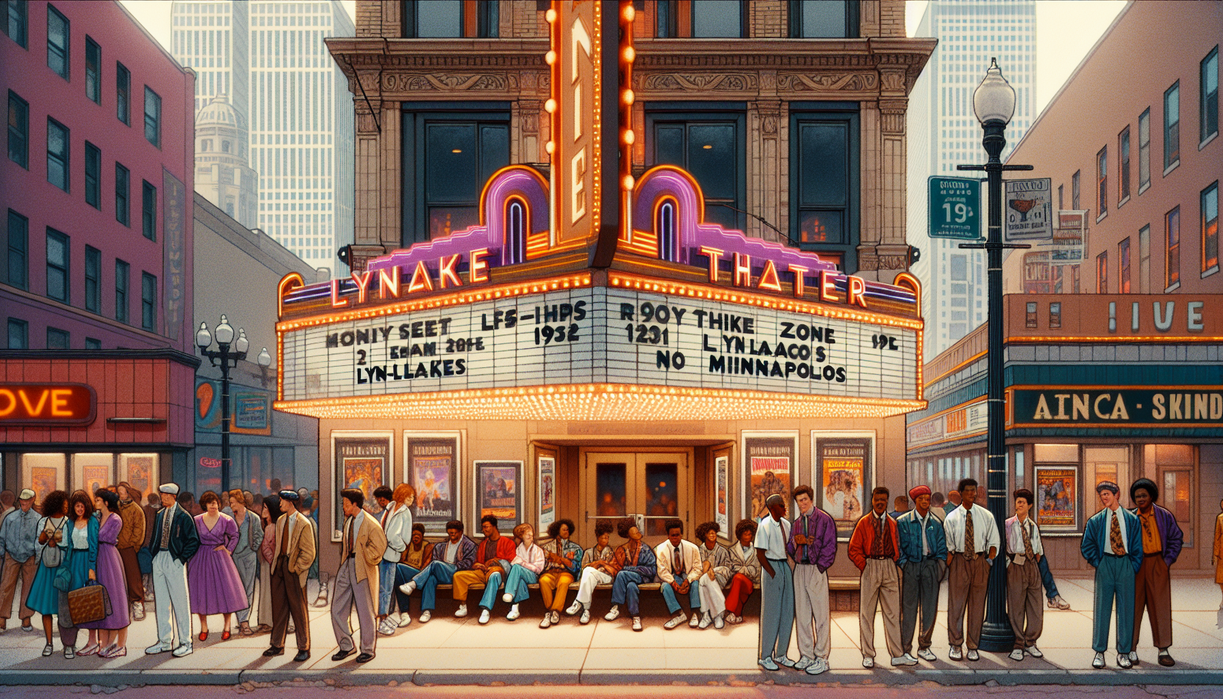
www.twotwoart.com – The news that Minneapolis’s Jungle Theater has canceled the remainder of its season hit like a stage light flicking off mid-scene. For many residents, this neighborhood theater was more than a 152-seat venue in the Lyn-Lake area; it was a creative anchor, a gathering place, and a quiet proof that ambitious art can bloom between coffee shops and apartment buildings. When a small theater stumbles financially, it is never just a line item on a balance sheet. It is a sign of deeper strains inside the local arts ecosystem.
To understand what this theater’s sudden halt means, we have to see beyond one company’s crisis. The Jungle Theater’s choice to shut down the season points to a larger story about how American theaters—especially intimate, mission-driven ones—are struggling to stay afloat. Ticket revenue has dipped, costs have soared, grants have tightened, and audiences still have not fully returned to pre-2020 habits. This single theater’s struggle mirrors a national pattern many in the field have quietly feared for years.
A Small Theater With Outsized Impact
The Jungle Theater opened its doors in 1991, at a time when Lyn-Lake looked very different. Over decades, it helped transform a corner of Minneapolis into a cultural destination. Patrons might grab dinner nearby, then walk to the little theater with the big artistic ambition. That synergy between commerce and culture illustrates how a theater can act as both artistic engine and neighborhood catalyst. When such a venue falters, nearby businesses feel the shock almost as quickly as the artists.
Part of the Jungle Theater’s appeal came from intimacy. With only 152 seats, every performance felt close, shared, almost conspiratorial. A whisper on stage reached the back row without effort. Audiences could see the strain on an actor’s face, the tiny shift of a hand, the twitch of doubt or joy. That proximity builds loyalty. People return not only for the stories but also for the sense of being part of something fragile and real.
Yet intimacy comes with a price. A small theater has limited capacity to grow ticket income. It cannot simply add thousands of seats to cover rising rent, higher wages, or technical upgrades. Grants and donations must carry a heavier load. When public funding drops or private donors shift attention elsewhere, a theater this size finds itself cornered. Every new production becomes a financial risk, not just an artistic gamble.
Why So Many Theaters Are Struggling Now
The Jungle Theater’s curtailed season aligns with a disturbing wave of similar announcements across the country. Many theaters report that subscriptions remain far below historic norms. Audiences have changed habits, moving toward streaming, at-home entertainment, or larger spectacle events that promise big production values. Small and midsize theater companies, built on trust and repeat attendance, cannot easily compete with that shift. They offer nuance instead of spectacle, conversation instead of escape, and that proposition feels harder to sell in anxious times.
Costs, meanwhile, climb in every direction. Fair pay for artists and staff is long overdue, yet payroll is now heavier. Insurance, utilities, and materials for sets or costumes all rise. A theater that once scraped by with lean budgets now faces numbers that no amount of creative scrimping can erase. When one show underperforms at the box office, reserves evaporate quickly. Two or three misses in a row create the kind of hole that forces cancellations.
As someone who has followed theater for years, I see this moment as a stress test for our values. We say we cherish live performance, but our systems rarely protect it. Public investment in theater remains modest in the United States compared with many other countries. Philanthropy helps, yet it often favors large flagship institutions over modest neighborhood theaters. When recession warnings loom, arts grants are among the first to shrink. The Jungle Theater’s season collapse reads less like an isolated failure and more like evidence of a chronic underfunding problem.
What a Community Loses When a Theater Falters
When the Jungle Theater goes dark for part of a season, the community does not just lose shows. It loses the post-performance lobby conversations where strangers argue gently about an ending. It loses the local playwright whose work might have found a first production on that intimate stage. It loses a training ground where young technicians, designers, and actors learn the craft under real pressure. In my view, each canceled production also represents a story untold at a crucial moment, a dialogue that could have shaped how people understand their city and themselves. The cost of that silence is harder to trace than ticket revenue, but over time, it erodes the cultural richness that makes neighborhoods feel alive. A reflective response is overdue: audiences, funders, and civic leaders all need to reconsider how much they truly value the fragile magic inside a small theater—and what they are willing to do to keep that magic from disappearing.