









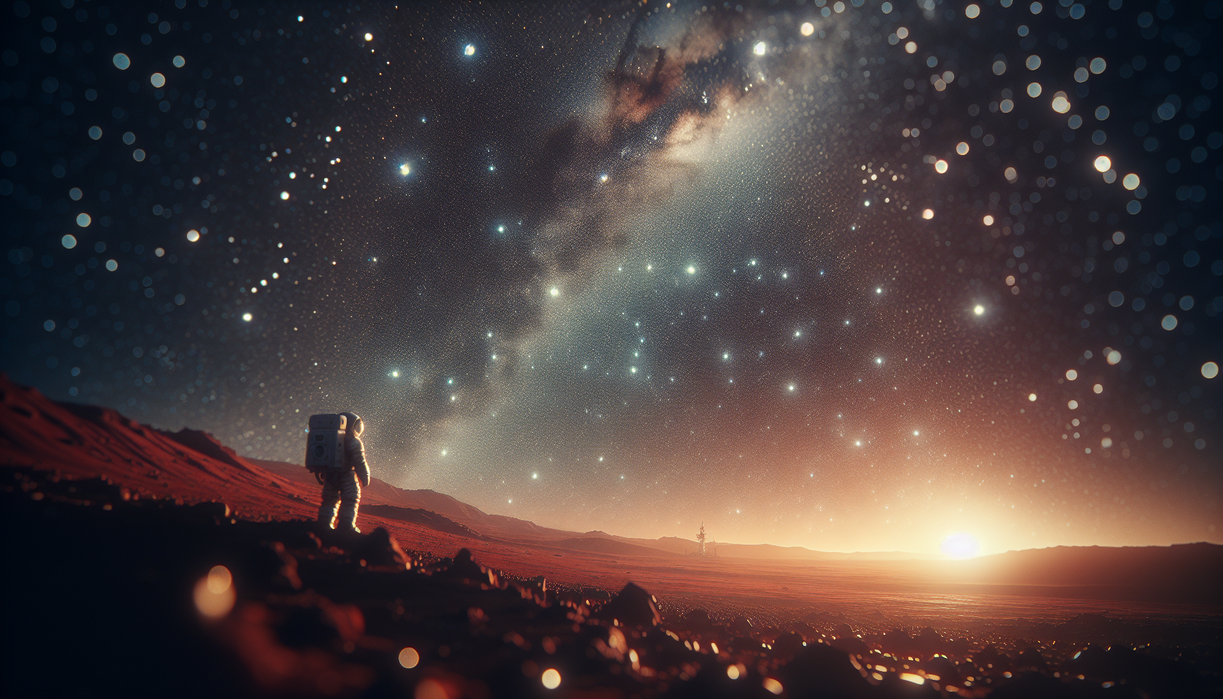
www.twotwoart.com – Modern science fiction entertainment rarely balances hard science, emotional stakes, and genuine humor as well as Ridley Scott’s The Martian. The film turned Andy Weir’s once self-published novel into a global phenomenon, then settled into a comfortable second life on streaming. Now this piece of smart, crowd-pleasing entertainment is scheduled to exit Netflix next week, reminding viewers that digital access never lasts forever.
Before it disappears from that popular platform, it is worth revisiting why The Martian remains one of the most satisfying sci-fi entertainment experiences of the last decade. Beyond the memes and catchphrases, the movie delivers sharp storytelling, grounded optimism, and a rare love letter to problem solvers. Its departure highlights a larger conversation about how we watch entertainment, who controls it, and why some films deserve a permanent spot in our rotation.
How The Martian Reshaped Sci-Fi Entertainment
The Martian arrived during a wave of serious space entertainment, yet carved out its own identity. Gravity terrified audiences with orbital chaos. Interstellar embraced metaphysics and cosmic melancholy. The Martian chose a different path, leaning into survival puzzle-solving, character-driven humor, and practical engineering. Rather than cosmic horror or mystical time loops, the film finds suspense in food rations, broken equipment, and improvised engineering hacks.
That focus felt refreshing because it trusted viewers to enjoy competence. Many blockbusters showcase heroes powered by destiny or super abilities. Here, Mark Watney survives through knowledge, math, and stubborn creativity. The entertainment comes from watching him reason through each disaster, then convert junk into lifelines. The film turns spreadsheets and lab experiments into emotional set pieces, which remains a rare feat for mainstream entertainment.
This approach also restores a sense of admiration for collective effort. NASA, international partners, and a diverse ground crew collaborate to bring one person home. The movie rejects the lone genius myth. It suggests entertainment can thrill while still celebrating bureaucracy done right, public institutions under pressure, and quiet acts of expertise. That message feels even more valuable today, as audiences navigate cynicism about science, governments, and large organizations.
Why Its Streaming Exit Matters for Viewers
The Martian leaving Netflix underlines a frustrating reality for modern entertainment: nothing on streaming is guaranteed. Many viewers assume treasured movies will remain one search away. Licenses expire, corporate strategies shift, and titles vanish from menus overnight. One week you recommend a favorite sci-fi classic to a friend. The next week you discover it relocated to a rental service or another subscription.
This constant churn affects how audiences build relationships with entertainment. Physical media once gave film lovers a sense of ownership. Streaming libraries instead resemble rotating exhibits in a digital museum. That setup benefits discovery but undermines stability. When a film like The Martian drops off a major platform, viewers lose a convenient path to revisit a story that nurtures curiosity about science and space exploration.
Its exit also exposes the vulnerabilities of niche tastes. The Martian is popular, so it will almost certainly find another streaming home. Less famous yet equally thoughtful sci-fi entertainment might not enjoy that safety net. As a result, viewers seeking brainy, optimistic stories must stay alert, track availability, and act quickly when something meaningful appears. In a paradoxical twist, the age of limitless choice sometimes makes quality entertainment feel more fragile than ever.
What Makes This Sci-Fi Entertainment So Human
On paper, The Martian is about tools, calculations, and orbital mechanics. Emotionally, it is about refusal to surrender. The central performance turns what could have been a dry exercise into heartfelt entertainment. Humor becomes a survival mechanism rather than a cheap gag machine. Jokes emerge from stress relief, boredom, and the absurdity of farming potatoes under plastic on a frozen planet.
The film also understands loneliness without wallowing. Instead of treating isolation as pure misery, it shows boredom, routine, and low-key irritation. Video logs resemble diary entries made for future historians or bored interns. That choice gives the entertainment a confessional quality. We feel close to the character not through tragic speeches, but small observations about duct tape, disco playlists, and crumbs floating inside a helmet.
For me, the most affecting element lies in its optimism about communication. Every signal, data burst, and jury-rigged text feels like a victory against silence. The story suggests valuable entertainment does more than dazzle. It reminds us people crave connection, even across millions of kilometers. That belief makes the rescue sequence resonate, because it symbolizes the triumph of patience, shared knowledge, and stubborn hope.
The Science Behind the Entertainment Value
One reason this movie endures as standout entertainment is its relationship with real science. It compresses timelines and simplifies processes, yet respects physics, chemistry, and engineering as forces rather than props. Problems on Mars have plausible solutions. Mistakes have costs. Consequences accumulate. That consistency grounds the spectacle, giving each crisis more bite than generic space peril.
As a viewer, even if you lack technical training, you sense an underlying logic. The entertainment invites you to anticipate solutions, almost like solving a chess puzzle. When Mark modifies a rover or repurposes equipment, you recall earlier scenes and piece together the plan. That interactive feeling keeps the film from drifting into passive spectacle. It rewards attention, curiosity, and a willingness to follow complex steps.
From my perspective, this approach represents a model for future sci-fi entertainment. Visual effects matter, yet they become more memorable when tethered to believable systems. The Martian’s storms, launches, and orbital maneuvers carry narrative weight because they emerge from rules the film introduced earlier. The story uses science as scaffolding for emotion, not as an afterthought or decoration.
How It Changed Expectations for Space Stories
The Martian quietly rewired expectations for space-based entertainment. It proved a big-budget film about spreadsheets, potatoes, and conference rooms could pull global audiences. After its success, studios showed more interest in realistic missions, grounded astronauts, and stories about logistics. Even projects with wilder premises began leaning more on technical advisors and coherent worldbuilding.
It also pushed back against the idea that science fiction must always drift toward darkness or cynicism. Many beloved space epics revolve around dystopias, doomed civilizations, or existential despair. The Martian dares to be earnest without naivety. Disasters occur. People argue. Budgets strain. Despite all that pressure, collaboration wins. Such tone gives entertainment a different aftertaste: instead of fear, viewers leave with renewed respect for human ingenuity.
Personally, I see its influence every time a new film or series treats engineers, botanists, and mission planners as heroes. The Martian made it cool to care about life support systems, redundant circuits, and soil chemistry. For young viewers, this kind of entertainment might even serve as quiet recruitment material for future scientists and space workers. That cultural ripple carries more weight than opening-weekend numbers.
Why You Should Revisit This Entertainment Before It Leaves
With The Martian preparing to depart Netflix, now feels like the right moment to schedule a rewatch or a first viewing. Beyond its reputation as one of the best modern sci-fi films, it offers a rare blend of tension, humor, and thoughtful optimism. Streaming rotations may treat entertainment as disposable, yet certain stories deserve intention. If this film ever pushed you to google rocket trajectories, care about botany, or simply believe that careful thinking still matters, it has already earned its place. Revisit it before it vanishes from your queue, then carry its quietly radical message: sometimes, the most powerful entertainment reminds us how much can be solved through patience, collaboration, and a refusal to give up.