







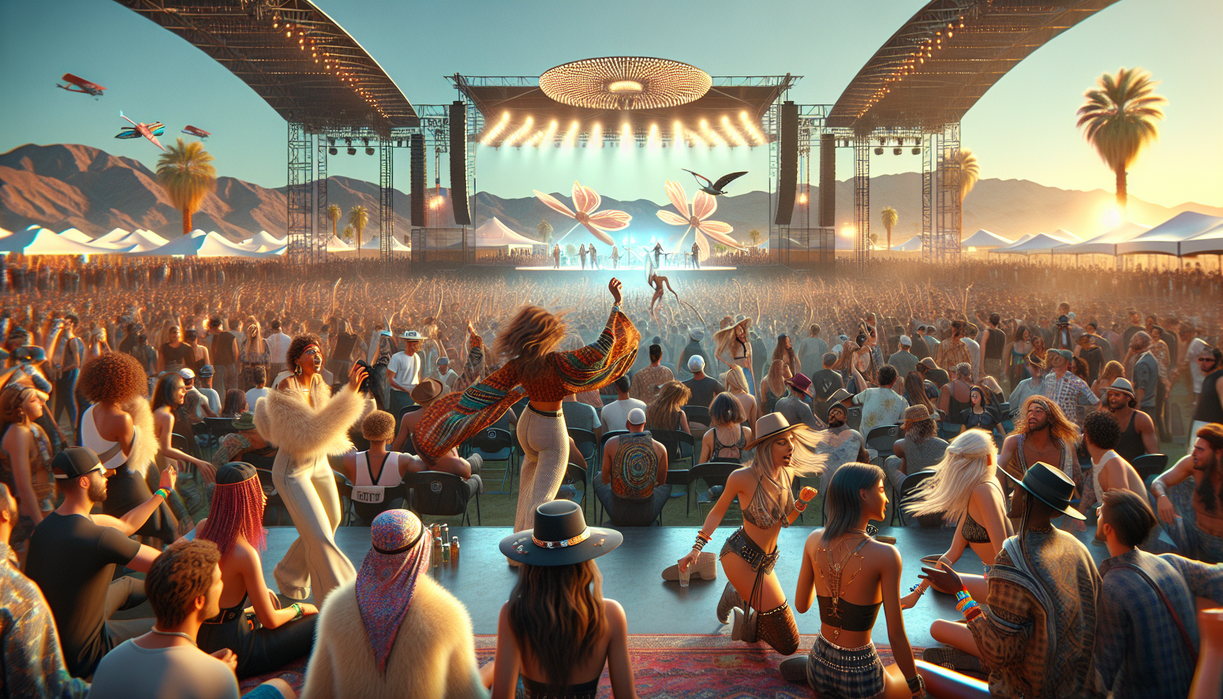
www.twotwoart.com – Coachella 2026 has turned the desert into a living mood board, where music meets runway energy under the blazing Indio sun. Every year the festival resets fashion expectations, yet this edition feels different: bolder color, sharper silhouettes, and a fearless blend of nostalgia with future-facing style. From headliners to low‑key VIPs, the coachella grounds have become a moving gallery of self‑expression.
Instead of safe boho basics, celebrities arrived with cinematic looks that tell stories about identity, heritage, and pop culture. Coachella outfits are no longer just about fringe, crochet, or flower crowns. They now serve as statements of power, comfort, and experimentation. Below, I break down the standout celebrity coachella looks of 2026, plus what they say about where festival fashion is heading next.
Star Power on the Coachella Main Stage
Headliners often set the visual tone for coachella, and 2026 proved that performers understand their impact as style architects. Each main stage appearance felt meticulously planned yet still loose enough to match the festival’s carefree reputation. Outfits had to survive heat, dust, choreography, and close‑up livestream cameras, so function shared the spotlight with spectacle.
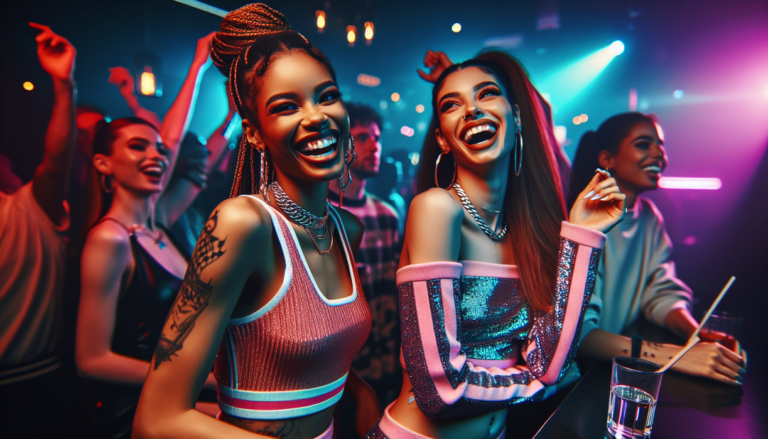
Katseye’s set became an instant coachella fashion reference point. The group stepped out in coordinated metallics that reflected the stage lights like armor, but with soft draping that allowed fluid movement. Their look balanced K‑pop precision with western festival ease, bridging global style codes in a way that felt perfectly tuned to a streaming generation.
Coachella thrives on these hybrid aesthetics. When stars lean into concept dressing instead of random pieces forced together, the result looks cinematic rather than costumed. This year’s headliners approached clothing as part of the setlist, weaving outfits into their storytelling. That shift marks coachella as less of a casual desert party and more of a full‑scale fashion‑music installation.
Katseye: Futuristic Glamour Meets Desert Heat
Katseye’s coachella debut had the precision of a stadium show yet still responded to the rawness of the desert. The group’s stylists clearly studied the light, dust, and motion of the main stage. Shimmering chrome bodices paired with breathable mesh panels created an illusion of armor, but the pieces looked surprisingly comfortable. That tension between protection and freedom defines much of 2026’s festival style.
Color played a crucial role in their impact. Instead of standard black, Katseye used liquid silvers, electric lilac, and icy blue accents across gloves, boots, and micro‑belts. Reflective fabrics caught drone shots from above, turning their choreography into a glinting constellation. At coachella, where social media clips can outrun the performances themselves, clothes must read clearly at every distance, from pit rail to vertical phone screen.
From a personal perspective, Katseye’s look signals a welcome move away from lazy “Coachella costume” clichés. Their styling respected both the artistry of performance and the logistics of an outdoor festival. It felt futuristic without relying on gimmicky accessories. This is the kind of coachella outfit that could influence clubwear, tour wardrobes, even everyday street style for months, proof that festival fashion can set mainstream trends rather than simply recycle them.
Ethel Cain’s Gothic Americana Reimagined
While many stars chose metallics or hyper‑saturated color, Ethel Cain walked onto the coachella stage like a ghost from a forgotten roadside chapel. Her look fused prairie romance with subtle gothic undertones: a weathered white dress with frayed hem, heavy boots that kicked up sand, and a faded cross pendant that caught the sunset glow. The outfit felt almost anti‑festival in the best way possible. Instead of chasing trends, she embodied the haunted Americana already present in her music. Watching her against the desert backdrop, I felt reminded that coachella fashion does not need to scream to be memorable. It can whisper, carrying emotional weight through texture, silhouette, and restraint, turning the stage into a living photograph.