








www.twotwoart.com – Remote workflows have moved from experimental side projects to the core of live sports production, reshaping every content context from stadium screens to vertical social clips. The 2026 SVG Remote Production Forum highlights how this shift is no longer just about saving travel costs, but about redesigning creative pipelines so producers can tell richer stories from anywhere. When production teams treat each content context as a distinct experience, they unlock new ways to engage fans before, during, and after the game.
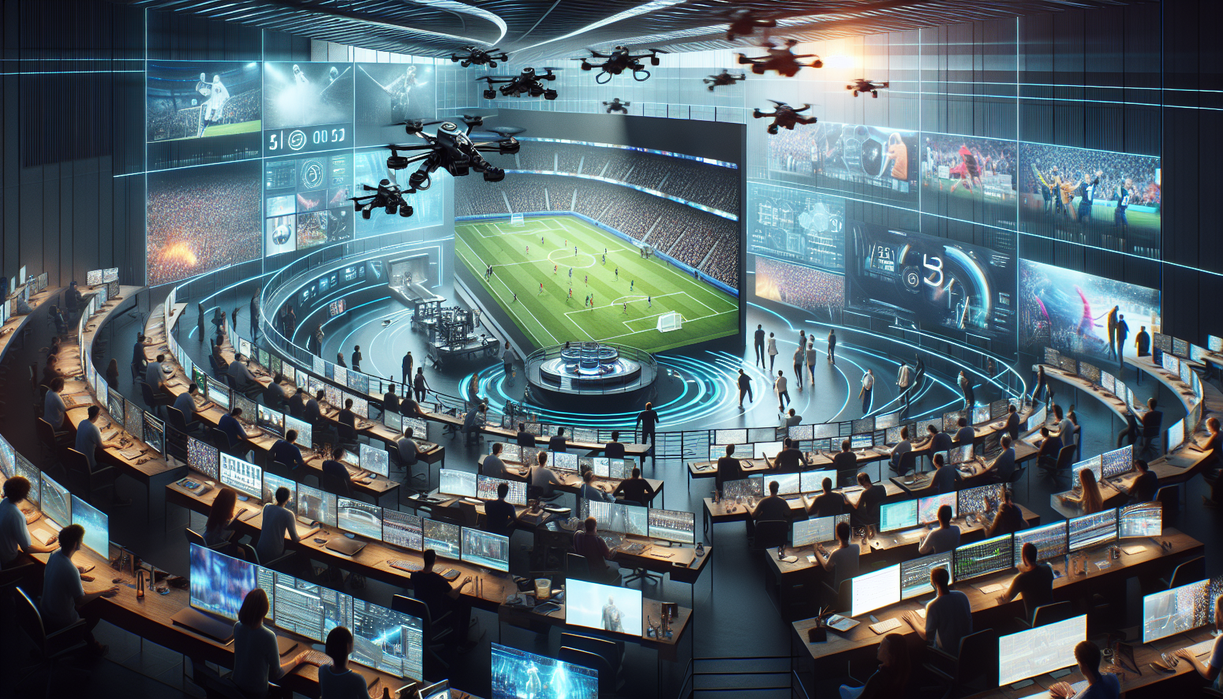
This evolution raises a deeper question: what happens when the control room becomes a flexible cloud of services rather than a fixed physical space? The answer lies in remote-first strategies where cameras, contribution links, and operators are orchestrated around audience needs for each content context instead of technical limits. From this perspective, remote production becomes a strategic lens, not just a logistical solution, pushing sports organizations to rethink talent, tools, and even business models.
Redefining Production for Every Content Context
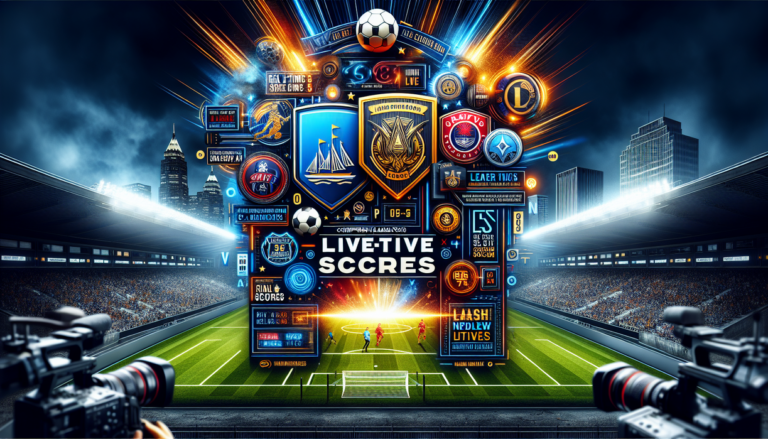
The notion of content context starts with a simple idea: the same match means different things on different screens. A two-hour broadcast for linear television has distinct pacing compared with a 45-second highlight on mobile or a looping clip on a stadium LED. Remote production enables crews to tailor shots, graphics, and commentary for each destination without duplicating entire infrastructures. This ability to reframe the same live feed across formats is where the real innovation emerges.
Traditionally, sports production centered on the main broadcast feed, with everything else treated as leftovers. Today, that hierarchy is fading. A vertical feed for social might receive dedicated cameras, alternative commentary, or real-time fan reactions captured remotely. Each content context becomes a first-class product, shaped by its own editorial values. In my view, the organizations that recognize this shift soonest will build more resilient fan relationships, since they respect how audiences choose to watch.
The 2026 SVG Remote Production Forum showcases case studies where single events power dozens of tailored outputs. A remote operations hub can supervise multiple simultaneous feeds, each calibrated for a specific content context such as betting platforms, second-screen statistics, or regional language audiences. Rather than stretching one broadcast to fit every need, producers design micro-experiences that sit comfortably inside the habits of viewers. This mindset calls for new roles, new metrics, and fresh collaboration between production, marketing, and data teams.
Technology, Workflows, and Human Creativity
Remote production often gets framed as a technology story, centered on IP, cloud switching, and low-latency contribution. Those elements matter, yet they are only the plumbing. The real transformation happens when creative teams learn to think natively about each content context. A director might craft specific camera plans for AR-enhanced betting streams, while a remote editor focuses on ultra-fast highlight reels for social platforms. Technology supplies the flexibility; human insight decides where to apply it.
Latency, reliability, and quality remain ongoing challenges. Ultra-low latency links are crucial for real-time interaction, especially where remote commentary pairs with on-site hosts. However, not every content context requires the same technical rigor. For example, a behind-the-scenes vlog can tolerate slightly higher delay, while interactive watch parties need near-instant reactions. Segmenting technical requirements by context avoids over-engineering and frees resources for storytelling. In my assessment, this nuanced resource allocation will become a competitive advantage for leaner operations.
The human side of remote production deserves equal attention. Crew members can contribute from home studios or regional hubs, which widens talent pools and improves work-life balance. At the same time, producers must cultivate new communication rituals because informal truck conversations no longer happen as easily. Clear roles, shared dashboards, and persistent back channels become essential. My perspective is simple: technology can relocate the control room, but culture determines whether creativity thrives in that distributed environment.
Personal View: Strategy Beyond the Hype
From my standpoint, the most exciting trend is the shift from viewing remote production as a cost-saving tactic to treating it as a strategic engine for content context innovation. When every match can generate tailored experiences for niche communities, global audiences, and local fans at once, the boundaries between production, distribution, and engagement begin to blur. Yet success requires restraint as much as ambition: chasing every possible feed risks dilution, while a clear editorial map focuses effort where it matters. As sports organizations step into 2026 and beyond, the winners will be those who use remote tools to deepen meaning, not just multiply outputs. The future of sports storytelling rests on thoughtful experimentation and a reflective commitment to serving how people truly watch.