









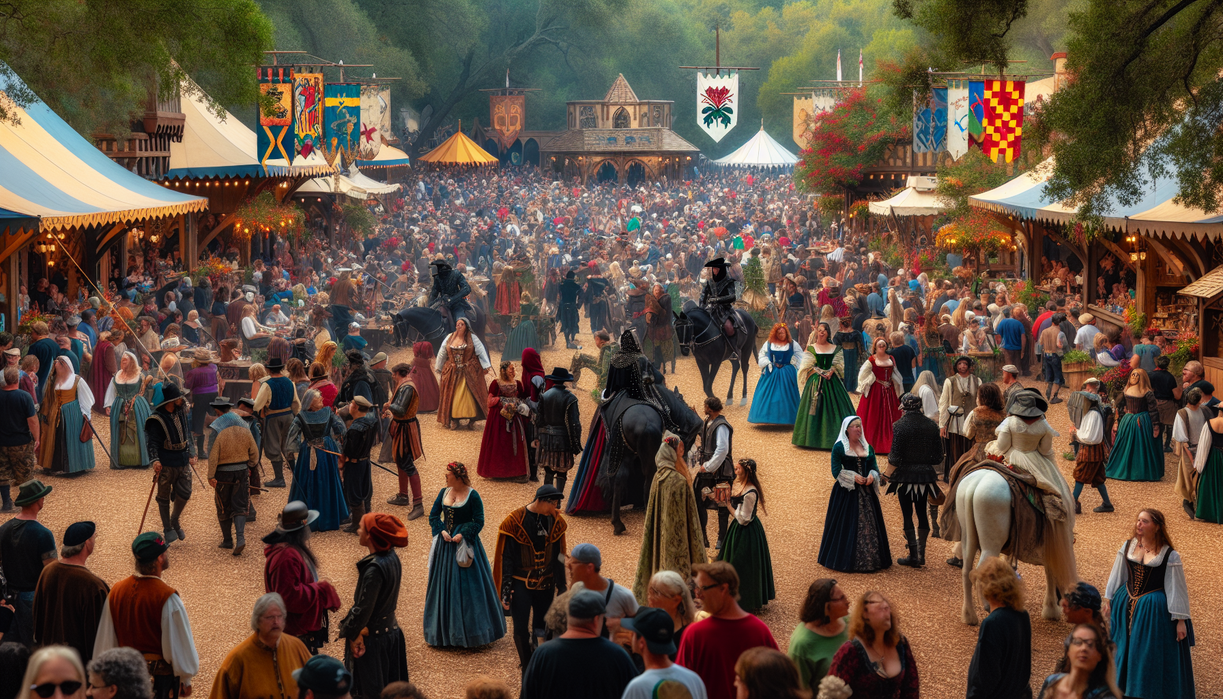
www.twotwoart.com – The Richmond Renaissance Faire at Henrico’s Dorey Park did more than fill a weekend; it transformed a familiar green space into a living storybook. With an estimated 20,000 visitors swirling through the gates over two sun‑splashed days, the park felt like a small, temporary kingdom, built from canvas tents, wooden stages, and pure imagination.
For locals, the Richmond Renaissance Faire signaled something bigger than a novelty event. It showed how hungry this region is for immersive, creative experiences that blend history, theater, craft, and community spirit. Walking the winding paths between vendors and performers, it was hard not to feel that Richmond has found a new annual ritual worth protecting and nurturing.
A Weekend Kingdom at Dorey Park
From the moment visitors stepped through the entry arch, the Richmond Renaissance Faire wrapped them in a different era. Lutes and drums echoed across Dorey Park while costumed knights, nobles, and peasants mingled with families in shorts and sneakers. The smell of roasted turkey legs and sweet pastries drifted on the breeze, pulling people toward food stalls that looked hand‑carved from a distant century.
Virago Alley, curator of over a hundred vendors, turned open lawn into a bustling market scene. Leather workers, blacksmiths, potion makers, and jewelers lined the paths, each booth a small story in itself. It felt less like shopping and more like questing, as visitors hunted for the perfect handmade mug, circlet, or prop sword to complete their Richmond Renaissance Faire persona.
What struck me most was the fluid boundary between audience and performer. Visitors arrived as spectators yet quickly slipped into roles. A child gripping a foam sword became a brave squire. A parent in a flower crown shifted into forest royalty. The Richmond Renaissance Faire did not just entertain; it invited everyone to co‑create the experience.
Shows, Spectacle, and Shared Stories
Entertainment stood at the heart of the Richmond Renaissance Faire, with stages scattered like miniature theaters throughout Dorey Park. Swordfighting exhibitions drew eager crowds, each clash of steel ringing out over cheers. Jesters juggled, tumbled, and traded sharp one‑liners with onlookers, blurring the line between scripted routine and playful improv.
Not every performance relied on loud spectacle. In shaded corners, acoustic musicians played ballads that evoked storm‑tossed ships and moonlit castles. Storytellers pulled children to the edge of the hay bales with tales of dragons, lost crowns, and ordinary villagers who became unexpected heroes. The variety of acts at the Richmond Renaissance Faire meant no two visits followed the same path.
What made these shows feel special was the intentional intimacy. Performers looked people in the eye, remembered faces, and invited spontaneous participation. That personal connection turned the Richmond Renaissance Faire into a shared narrative. Attendees were not just buying tickets; they were stepping inside a living, evolving story that existed only for one weekend.
Vendors, Community, and the Future of the Faire
The vendor village at the Richmond Renaissance Faire revealed another powerful layer: economic and creative opportunity woven together. Many artisans described this weekend as a crucial chance to reach new audiences, test fresh designs, and connect with fellow makers. Henrico’s choice of Dorey Park as host site gave small businesses a vibrant open‑air showroom while reinforcing the park’s role as more than a place for sports fields and picnics. Looking ahead, the success and scale of this debut year hint at a growing cultural tradition. If organizers continue to center local talent, accessible pricing, and thoughtful programming, the Richmond Renaissance Faire could become a signature regional event, one that not only entertains but also strengthens community identity, supports independent creators, and reminds Richmond how powerful collective imagination can be.