








www.twotwoart.com – Context can turn a forgettable trade show booth into a memorable business story. Skyline Exhibits leans into this truth with its evolving “Beyond the Booth” podcast, a series built to uncover what really happens on the show floor. Instead of only talking about hardware, graphics, or giveaways, the hosts dig into the context behind each decision, each conversation, and each result. This focus makes the podcast feel less like a sales pitch and more like a backstage pass to modern face-to-face marketing.
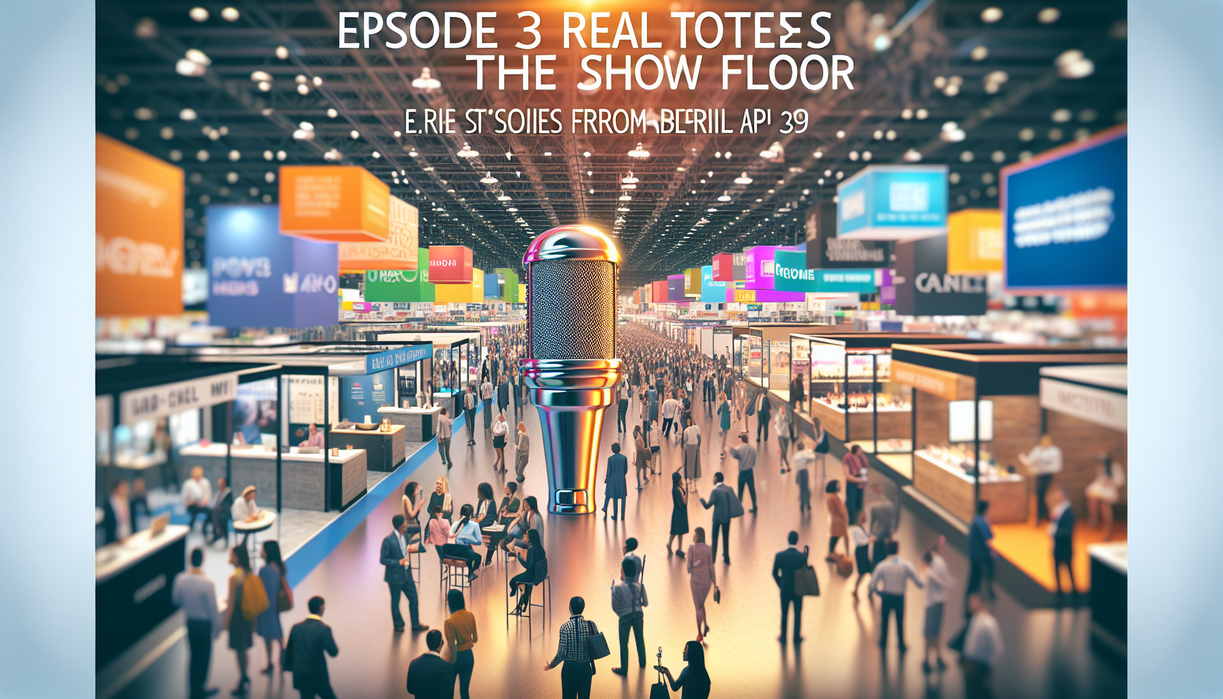
With two episodes available and a third arriving on April 29, the monthly series already shows a clear direction. It blends real-life show floor stories with practical trade show strategy, framed with the context professionals actually need. For marketers trying to justify budgets or exhibitors trying to improve performance, that combination is powerful. It turns scattered anecdotes into lessons anchored in reality instead of theory.
Why Context Matters More Than Booth Size
Trade shows often reward spectacle, yet long-term success depends on context, not just size or flash. Context explains why one brand’s modest inline booth outperforms a neighboring island exhibit packed with screens. It ties objectives, audience needs, timing, and messaging into a coherent whole. Skyline’s “Beyond the Booth” podcast spotlights this angle by exploring the stories behind wins and missteps, revealing how context-driven choices shape results. Listeners gain clarity about why some tactics thrive in one setting but fall flat in another.
Many exhibitors treat each event as an isolated push, which strips away helpful context. Without broader perspective, they repeat similar mistakes: generic messaging, poor staff training, misaligned giveaways. The podcast counters this by placing single shows within larger marketing journeys. Episodes explore how one event links to regional sales efforts, product launches, or annual targets. That context helps teams define success more wisely, moving beyond “lead counts” to metrics tied to revenue, relationships, and reputation.
From my perspective, this shift from tactics to context is overdue. Technology has made event measurement easier, yet stories behind numbers often remain hidden. By focusing on real-world examples, Skyline gives professionals a framework to interpret those metrics. Instead of asking, “Did we get enough scans?” exhibitors can ask, “Given our goals, audience, and message, did this show advance our story?” That question recognizes context as the bridge between activity and impact.
Inside the Podcast: Show Floor Stories With Real Stakes
The most compelling part of “Beyond the Booth” lies in its show floor narratives. Guests recount tense negotiations, chaotic setup mornings, surprise competitor launches, and last-minute design changes. Each story includes contextual clues: budget limits, internal pressures, target accounts, even union rules. These details transform generic war stories into practical case studies. Listeners hear not just what happened but why it mattered, which helps them recognize patterns in their own events.
Skyline structures episodes around themes, yet context keeps conversations grounded. A discussion about pre-show promotion does not stay abstract; it anchors itself in a specific show, audience type, and timeline. An example might involve a manufacturer chasing niche prospects at a regional expo rather than a broad national event. That distinction matters. Context clarifies whether social ads, personal outreach, or direct mail offers the best return. Listeners can then adapt ideas with more confidence instead of copying tactics blindly.
Personally, I appreciate that the podcast does not portray trade shows as flawless highlight reels. It embraces flawed moments where context went ignored or misunderstood. Those segments feel especially valuable. When exhibitors share how they misread attendee priorities or internal politics, listeners see the cost of missing context. These honest reflections reduce the shame of past missteps and encourage teams to ask better questions before their next event. It turns each episode into a low-risk rehearsal for real-world decisions.
Using Podcast Context to Upgrade Your Next Event
Translating podcast insights into action starts with a simple habit: document context for every event. Before committing to a booth design or sponsorship, clarify objectives, audience segments, competitive landscape, and internal constraints. Then, as you listen to “Beyond the Booth,” compare each story’s context with your own. Which tactics succeeded in a similar environment? Which failed because crucial context was ignored? This reflective process, inspired by the show’s approach, refines strategy beyond generic best practices. Over time, you stop chasing trends and start orchestrating experiences tailored to your unique situation, using context as your main guide. In that sense, the podcast becomes more than entertainment; it becomes an ongoing workshop that sharpens judgment and encourages mindful experimentation. That mindset might be the most valuable takeaway of all, because it reminds us that trade shows are not isolated moments but chapters inside a larger narrative we are still writing.