








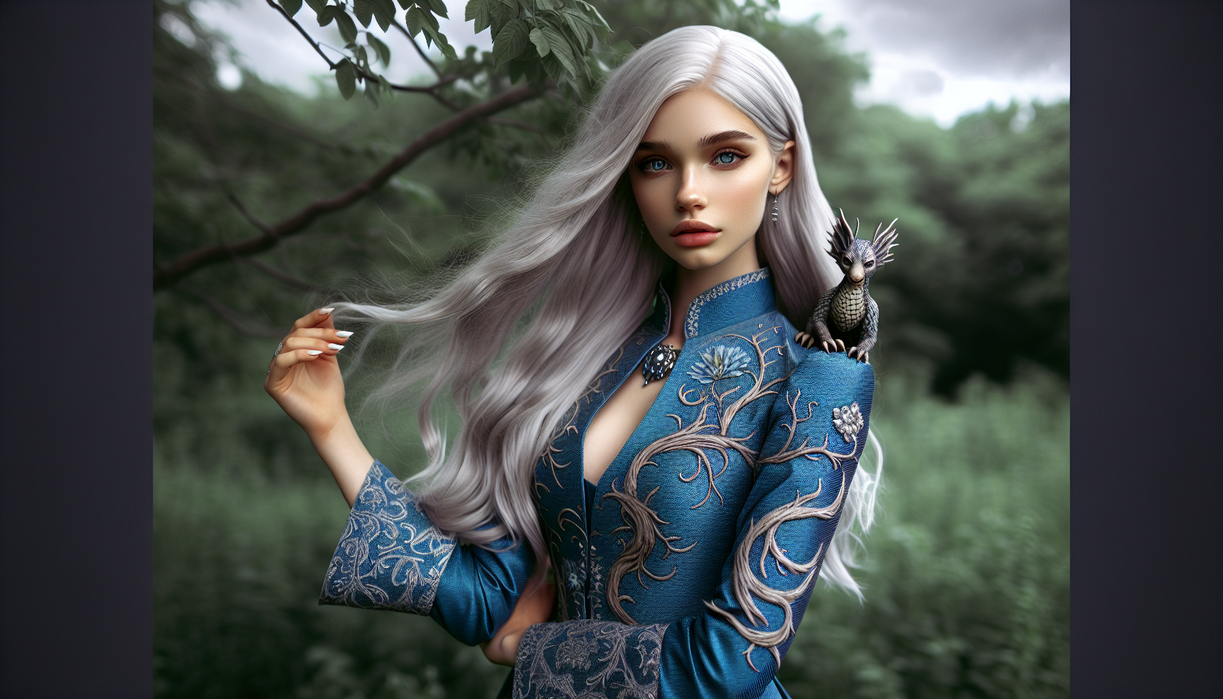
www.twotwoart.com – For nearly a decade, Game of Thrones dominated united states news, entertainment chatter, and Sunday night schedules. Every outlet ran photos of Emilia Clarke as Daenerys Targaryen, every recap dissected dragon sightings, and every network hunted for its own epic successor. The search turned into a kind of national obsession across streaming platforms and premium channels.
Studios answered with a wave of lavish genre projects promoted as the next great TV phenomenon. Some came close, some flopped, others quietly found loyal audiences. Yet every time trailers dropped, united states news framed them through a single lens: could this finally be the new Game of Thrones, or would it vanish in the streaming avalanche?
Why Game of Thrones Became the Benchmark
To understand why so many shows were crowned heirs apparent, we need to recall what made Game of Thrones such a singular force in united states news. It was never just another fantasy drama. It fused political intrigue with shocking twists, cinematic production values, and a sprawling ensemble cast. Watercooler debates turned into global conversation, with Monday headlines obsessing over each episode.
Crucially, the series bridged niche fandom and mainstream culture. Fantasy had often sat at the edges of united states news, treated as geek territory. Game of Thrones shattered that boundary. Presidents joked about it, late-night hosts spoofed it, and high-end fashion brands borrowed its aesthetic. When a show reshapes cultural language, media outlets naturally start hunting for the follow-up.
Networks took a calculated risk: if they could capture even a fraction of that lightning, the rewards would be enormous. Yet the assumption itself was flawed. Game of Thrones grew over time, fueled by patient storytelling and word of mouth, not just marketing hype. When united states news labeled every expensive drama as the next Thrones, it set impossible expectations before pilots even aired.
Ten Contenders That Tried to Claim the Throne
Several ambitious series received the full “successor” treatment in united states news. Shows such as The Witcher tapped into beloved book series and game fandom. Foundation reached for towering sci-fi prestige through Isaac Asimov’s legacy. Westworld mixed philosophical questions with sleek visuals, promising both spectacle and intellectual weight. Each one arrived with heavy fanfare, yet their journeys diverged dramatically.
Marketing also pushed historical epics nearer to the Game of Thrones mold. Vikings and its follow-up Vikings: Valhalla leaned on brutal battles plus political scheming. The Last Kingdom provided a grittier, more grounded approach to medieval conflict. Meanwhile, The Wheel of Time and Shadow and Bone tried to carve space inside fantasy territory with rich mythologies and complicated magic systems.
Yet another wave of shows built itself around apocalyptic stakes rather than kings and queens. His Dark Materials, Raised by Wolves, and even The Expanse circled the throne from science fiction territory. United states news headlines often grouped them under the Thrones banner anyway, simply because they offered big worlds, deep lore, and production budgets high enough to rival blockbuster films.
Why the Crown Stayed Empty
Despite hype cycles, united states news never truly crowned a new Game of Thrones because the race itself misunderstood what made that series unique. It was not only dragons or shock value; it was timing, communal viewing habits, and a fragmented media landscape just before peak streaming exploded. Today, audiences scatter across platforms, binge at different speeds, and resist the idea of one unified cultural text. From my perspective, the healthier move is letting new shows define success on their own terms. Instead of chasing a lost monoculture, critics and viewers can celebrate many smaller dynasties rising at once, each ruling its own corner of the television kingdom.